Graphic Design in 2026: How AI, Motion Design, and Digital Experience Trends Are Reshaping the Creative Industry
The graphic design industry is experiencing one of the most significant transformations in its history. Over the past few years, rapid advances in artificial intelligence, immersive digital interfaces, accessibility standards, and consumer behavior have changed not only how designers create visual content, but also how brands communicate with audiences.
In 2026, design is no longer viewed simply as decoration. It has become a strategic business tool that directly influences customer trust, product engagement, digital performance, and long-term brand recognition.
Creative agencies, technology companies, and global brands are now investing heavily in adaptive design systems, motion-based storytelling, AI-assisted workflows, and inclusive user experiences. According to multiple industry reports and design trend analyses, companies that prioritize modern visual communication are seeing measurable improvements in audience retention and conversion performance.
The New Role of Graphic Design in Modern Business
Over the last decade, digital experiences have replaced many traditional forms of customer interaction. Websites, mobile apps, social platforms, streaming services, and digital advertising campaigns now shape how consumers perceive a company within seconds.
Because of this shift, graphic design has evolved from a supporting creative service into a central component of business strategy.
Today’s designers are expected to understand:
- User psychology
- Brand storytelling
- Interactive experiences
- Accessibility standards
- Motion systems
- Multi-platform scalability
- AI-assisted production workflows
- Performance optimization
Industry analysts increasingly describe modern designers as “experience architects” rather than simply visual artists.


AI Is Reshaping Creative Workflows Across the Industry
Artificial intelligence has become one of the most influential technologies in the creative sector. AI-powered systems are now capable of generating layouts, suggesting typography combinations, producing visual assets, enhancing photos, creating motion graphics, and accelerating design iteration.
Major platforms including Adobe, Canva, Figma, and several emerging startups have introduced AI-assisted tools directly into their design ecosystems.
However, despite concerns about automation, most professional designers are not being replaced. Instead, the industry is moving toward collaborative “human + AI” workflows.
How Designers Are Using AI in 2026
Creative teams increasingly rely on AI for:
- Rapid brainstorming
- Layout experimentation
- Asset resizing for multiple platforms
- Color palette generation
- Typography suggestions
- Image enhancement
- Automated content adaptation
- Motion generation
- Production efficiency
This allows designers to spend less time on repetitive technical work and more time on strategic thinking and storytelling.
Industry experts emphasize that AI still struggles with:
- Emotional nuance
- Original storytelling
- Brand authenticity
- Complex visual hierarchy
- Cultural sensitivity
- Sophisticated typography systems
As a result, human oversight remains essential in professional design environments.
Recent research from computer vision and design-focused AI studies also shows that AI-generated interfaces often lack consistency and deeper usability reasoning compared to human-designed systems.
Motion Design Is Becoming the Default Standard
One of the fastest-growing areas of graphic design is motion-based communication.
Static graphics are increasingly being replaced by:
- Animated typography
- Interactive transitions
- Scroll-triggered effects
- Micro-interactions
- Dynamic UI systems
- Cinematic landing pages
- 3D visual storytelling
Brands have discovered that motion naturally captures user attention in crowded digital environments.
Research in user engagement consistently shows that movement improves content retention and encourages longer interaction times on websites and apps.
Why Motion Design Matters
Motion design is no longer viewed as an optional enhancement. In many industries, it has become a core usability feature.
For example:
- Fintech apps use motion to simplify financial data visualization
- E-commerce brands use animated transitions to improve shopping experiences
- SaaS companies use motion to guide onboarding flows
- Media companies use kinetic typography to improve storytelling
Design studios are now hiring more specialists in:
- 3D animation
- Real-time rendering
- UI motion systems
- Interactive prototyping
- Spatial interface design
Human-Centered Design Is Returning to the Spotlight
As AI-generated content becomes more widespread, audiences are showing increasing interest in visual experiences that feel personal, handcrafted, and emotionally authentic.
This trend has led to a major resurgence of:
- Hand-drawn illustrations
- Organic typography
- Editorial-style layouts
- Textured visuals
- Retro-inspired aesthetics
- Imperfect compositions
- Collage art
- Analog-inspired branding
Many creative directors believe consumers are becoming fatigued by overly polished and formulaic digital content.
The new wave of “human-centered design” aims to restore emotional warmth to digital communication.
Why Imperfection Is Becoming Valuable
In previous years, minimalism dominated digital branding. But in 2026, brands increasingly want to appear approachable rather than overly corporate.
Designers are intentionally introducing:
- Grain effects
- Irregular spacing
- Visible grid structures
- Handwritten elements
- Raw photography styles
This creates visuals that feel more genuine and relatable.
Industries embracing this trend include:
- Fashion
- Lifestyle brands
- Independent media
- Technology startups
- Sustainable consumer products
Accessibility Has Become a Global Priority
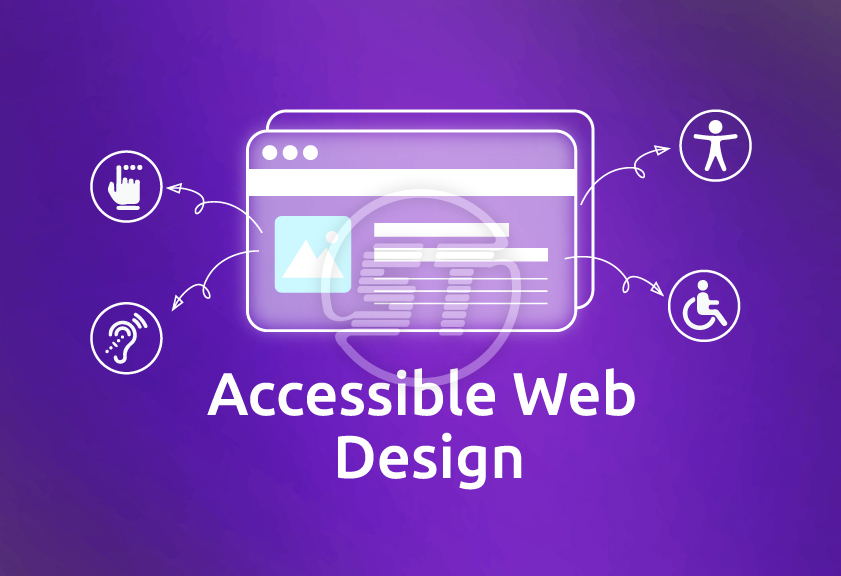
Accessibility standards are now influencing nearly every area of digital design.
Governments, enterprise companies, and global organizations are placing greater emphasis on inclusive user experiences that work for people with visual, cognitive, auditory, and motor impairments.
As a result, accessibility is no longer considered a niche requirement.
It is becoming a mainstream design expectation.
Key Accessibility Trends in 2026
Modern accessibility-focused design includes:
- Improved color contrast
- Responsive typography
- Screen-reader compatibility
- Keyboard navigation support
- Simplified interface structures
- Clear interaction feedback
- Reduced cognitive overload
- Captioned media experiences
Brands are also recognizing that accessible design often improves usability for all users, not only individuals with disabilities.
For example:
- Clear typography improves mobile readability
- Better contrast improves outdoor visibility
- Simplified layouts reduce bounce rates
- Responsive interfaces improve cross-device consistency

Sustainable Design Is Influencing Web and Brand Development
Sustainability has become an increasingly important topic in the digital industry.
While environmental discussions traditionally focused on manufacturing and transportation, many technology companies are now evaluating the environmental impact of websites, apps, cloud infrastructure, and digital advertising systems.
This has contributed to the rise of “sustainable digital design.”
What Sustainable Design Looks Like
Modern sustainable design practices include:
- Lightweight website architecture
- Optimized image compression
- Reduced unnecessary animation
- Efficient coding structures
- Faster-loading pages
- Minimal data transfer
- Energy-efficient hosting systems
These optimizations not only reduce environmental impact but also improve:
- SEO performance
- User experience
- Mobile accessibility
- Conversion rates
- Ad performance
As page speed continues to influence search rankings and user retention, sustainable design is increasingly viewed as both an ethical and commercial advantage.
Typography Is Becoming More Strategic Than Ever
Typography has evolved into one of the most powerful branding tools in digital communication.
With content saturation growing across every platform, companies are investing more heavily in distinctive type systems that strengthen recognition and consistency.
Modern typography trends include:
- Custom variable fonts
- Responsive text systems
- Multi-language typography
- Animated typography
- Large editorial headlines
- Experimental serif revival
- AI-assisted font pairing
Experts say typography now influences not only readability, but also emotional perception and trust.
Studies in branding psychology consistently show that font selection affects how users perceive:
- Reliability
- Innovation
- Luxury
- Simplicity
- Professionalism
As AI-generated content becomes more common, strong typography systems are helping brands maintain visual identity and originality.
Immersive Interfaces and Spatial Design Are Expanding
Another major trend shaping the design industry is the rise of immersive digital environments.
Modern interfaces increasingly use:
- Layered depth
- Glassmorphism
- 3D objects
- Soft transparency
- Spatial interaction systems
- Real-time visual rendering
These aesthetics are heavily influenced by:
- Gaming interfaces
- AR/VR development
- Advanced operating systems
- Spatial computing technologies
The goal is to create digital experiences that feel tactile and interactive rather than flat and static.
Design experts believe this trend will continue accelerating as wearable devices, mixed reality systems, and AI-powered interfaces become more mainstream.
Social Media Is Changing Visual Communication Faster Than Ever
Platforms such as TikTok, Instagram, YouTube Shorts, and interactive streaming ecosystems are forcing designers to rethink traditional layouts and pacing.
Modern audiences consume content at extremely high speed.
This has created demand for visuals that are:
- Instantly recognizable
- Motion-first
- Mobile-optimized
- Emotionally engaging
- Platform-adaptive
As a result, graphic designers increasingly work alongside:
- Video editors
- Motion artists
- UX specialists
- Content strategists
- AI workflow engineers
The boundaries between graphic design, motion design, video production, and interactive media are becoming increasingly blurred.
The Future of the Graphic Design Industry
Industry forecasts suggest that the next decade of design will focus heavily on hybrid creativity — combining technological efficiency with distinctly human storytelling.
While AI tools will continue automating production processes, businesses still rely on designers for:
- Creative direction
- Emotional intelligence
- Strategic communication
- Brand differentiation
- Cultural understanding
- Ethical design decisions
The most successful designers in the coming years will likely be those who can combine technical adaptability with strong creative judgment.
Graphic design is no longer just about making things look attractive. It now sits at the center of how companies build trust, shape experiences, and communicate value in an increasingly digital world.
As technology continues evolving, one thing remains clear: design is becoming more influential, more strategic, and more connected to everyday life than ever before.